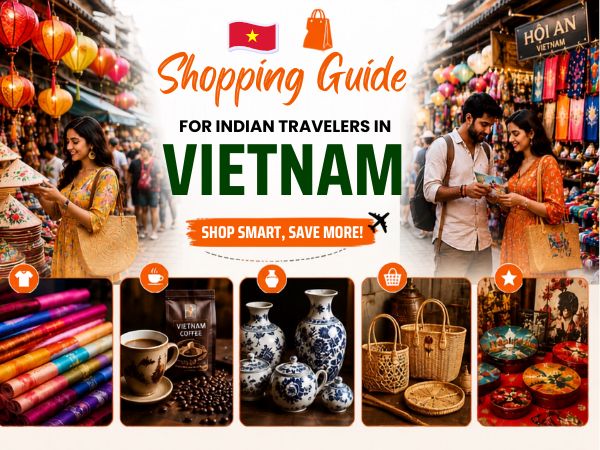
Essential Shopping Tips for Indian Travelers in Vietnam
Planning a trip to Vietnam comes with an array of exciting experiences – from its vibrant culture to stunning landscapes. However, one aspect that often puzzles Indian travelers is the shopping scene. Many find themselves lost in the plethora of options available and unsure of how to navigate local markets without falling prey to overpricing. You don’t want to return home with surprises that could’ve been avoided!
Understanding the nuances of shopping in Vietnam can mean the difference between a delightful experience and a stressful one. With unique souvenirs, crafts, and local products to consider, knowing how and where to shop can help you make the most of your budget and time. Vietnam offers an extraordinary shopping experience, but it's essential to approach it with a solid plan and knowledge of common pitfalls. So let’s dive in!
Quick Facts
| Aspect | Details |
|---|---|
| Best Time to Visit | September to April for pleasant weather. |
| Visa Requirements | E-visa available; check latest regulations. |
| Local Currency | Vietnamese Dong (VND); approximate exchange rate: 1 INR = 300 VND (check current rates). |
| Popular Shopping Cities | Hanoi, Ho Chi Minh City, Hoi An, Da Nang, and Nha Trang. |
Why This Topic Matters for Indian Travelers
The shopping landscape in Vietnam is a vibrant tapestry of local artisans, massive markets, and chic boutiques. For Indian travelers, honing in on what to buy, where to buy it, and how to avoid common mishaps is fundamental. Many first-time visitors tend to underestimate the value of knowledge when it comes to shopping, which often results in overpaying or walking away empty-handed.
Moreover, Indian travelers frequently face dilemmas about where to shop for quality goods, and how to navigate payment methods. Vietnam's shopping experience is enriched with opportunities to engage with local culture, and understanding the shopping environment can enhance your overall travel experience while potentially saving you money. This guide endeavors to provide insights and practical tips tailored for Indian shoppers visiting Vietnam.
Main Practical Planning Section
Understanding which products are worth your time and money can provide an enriched shopping experience in Vietnam. Here are key tips and insights to guide your shopping excursions:
1. Famous Markets and Shopping Streets
- Ben Thanh Market (Ho Chi Minh City): A bustling market where you can find everything from handicrafts to local snacks. Bargaining is essential; start at half the quoted price.
- Old Quarter (Hanoi): Known for its narrow streets and rich history, it’s ideal for buying silk, ceramics, and other artisanal items.
- Hoi An Ancient Town: Renowned for tailor-made clothing, you can get quality custom outfits at reasonable prices.
- Dong Xuan Market (Hanoi): Here, you can haggle for clothes, fruits, and traditional Vietnamese goods.
- Da Nang Night Market: Great for street food and affordable souvenirs with a festive atmosphere.
2. What to Buy
- Silk Products: Vietnam is famous for its high-quality silk, from scarves to dresses.
- Handcrafted Souvenirs: Look for local crafts like pottery, lanterns, and embroidery items.
- Conical Hats: A traditional symbol of Vietnam, perfect as a unique gift or souvenir.
3. Payment Tips
- Carry cash, preferably in Vietnamese Dong, though USD is accepted in many tourist areas.
- Be wary of exchanging money in markets; use authorized exchange centers or ATMs instead for better rates.
- Some markets may accept card payments, but it's always safer to have cash on hand.
Detailed Cost or Planning Breakdown
Understanding the budget for shopping in Vietnam is crucial. Although the prices are generally reasonable, they can add up quickly, especially if you're not cautious. Here is an approximate breakdown of potential costs:
| Item | Estimated Cost (in INR) | Notes |
|---|---|---|
| Silk Scarf | 500-1500 | Depending on quality and craftsmanship. |
| Handmade Pottery | 300-800 | Prices vary by size and design. |
| Conical Hat | 100-400 | Prices vary with design simplicity and intricacy. |
| Custom Tailored Suit | 3000-8000 | Quality showcases craftsmanship; check reviews. |
| Street Food Meal | 100-300 | Exceptional value, must-try local delicacies. |
Keep in mind that these are approximate costs and can vary depending on season, bargaining skills, and specific locations. Always confirm the latest pricing before purchasing to avoid surprises.
Comparison and Decision Guide
Choosing the right shopping location and product can enhance your experience significantly. Here’s a table comparing shopping destinations based on various factors:
| Location | Best For | Price Level | Bargaining Level |
|---|---|---|---|
| Ben Thanh Market | General souvenirs, textiles | Moderate | High |
| Old Quarter | Traditional crafts, silk | Higher-end | Moderate |
| Hoi An | Tailoring, handmade items | Moderate to high | High |
| Dong Xuan Market | Local food, textiles | Low to moderate | High |
| Da Nang Night Market | Local snacks, souvenirs | Low | Moderate |
Selecting where to shop based on your needs can lead to a more fulfilling experience, ensuring you find exactly what you're looking for without overspending.
Hidden Costs and Practical Warnings
When shopping in Vietnam, a few hidden costs can catch travelers off guard. Here are some insights to keep in mind:
- Extra Fees: Some shops may include “service fees” which aren’t immediately disclosed. Always clarify before finalizing your purchase.
- High Shipping Costs: If you plan to buy larger items, inquire about shipping costs, which may surpass the item’s original price.
- Overpriced Tourist Traps: Certain areas, especially near popular sights, may charge a premium. Look for local recommendations to avoid this.
- Currency Exchange Charges: If you plan to change money at your shopping location, be aware of poor exchange rates.
When Should You Take Expert Help?
While exploring shopping independently is exciting, there are moments when seeking expert guidance can elevate your experience:
- If you are unfamiliar with what to buy or where to shop.
- When unsure about bargaining etiquette in various markets.
- For larger purchases requiring assistance with shipping and logistics.
- If you want to ensure quality, especially with tailored products.
- When you want to plan an efficient shopping itinerary aligned with your travel schedule.
In these cases, connecting with a travel expert can make your journey smoother and more enjoyable, ensuring you focus on the experience rather than the stress.
Smart Travel Tips
Keeping a few smart travel tips in mind can significantly improve your shopping experience in Vietnam:
- Research ahead of time about local products of the region you are visiting.
- Wear comfortable shoes as you may walk a lot while exploring markets.
- Stay hydrated, especially if engaging in outdoor shopping.
- Carry a small backpack for your purchases, avoiding bulky bags.
- Keep check on your belongings; crowded markets can lead to petty theft.
Mistakes to Avoid
Avoid these common mistakes that Indian travelers often make while shopping in Vietnam:
- Not bargaining - Many prices are negotiable; failing to haggle means paying more.
- Ignoring the quality of products - Always check for defects before purchasing.
- Rushing into decisions - Give yourself time to browse; don’t settle for the first item you like.
- Overloading your schedule with shopping - Balance your trip with sightseeing and relaxation.
- Assuming all payment methods are widely accepted - Always check before making a purchase.
FAQs
What currency should I carry for shopping in Vietnam?
It's advisable to carry Vietnamese Dong for most transactions. While some stores accept USD, the exchange rate may not be favorable.
Is bargaining expected in Vietnamese markets?
Yes, bargaining is common and expected in most local markets. Start with a lower price and negotiate up from there.
Are there any specific items Indian travelers should avoid buying?
Be wary of overpriced tourist souvenirs. Research before purchasing to ensure you’re not overpaying for typical items.
Can I use a credit card for shopping in Vietnam?
While many stores in urban areas may accept credit cards, it’s safer to have cash for local markets and smaller shops.
What are some local delicacies I should consider purchasing as snacks?
Consider buying local sweets or packaged snacks like dried fruits, rice crackers, or local coffee for souvenirs.
Should I book shopping tours or explore independently?
It depends on your comfort level. If you prefer a guided experience with a focus on specific products, a tour can be beneficial; otherwise, independent exploration works too.
Conclusion
Shopping in Vietnam offers a unique opportunity to immerse yourself in local culture while snagging memorable souvenirs. By keeping these essential tips in mind, you can avoid common pitfalls associated with shopping, ensuring that your experience is fruitful and enjoyable. If you feel overwhelmed or need assistance planning your itinerary based around shopping interests, don't hesitate to reach out to Holiday Professor. Share your travel dates, the number of travelers, your budget range, preferred pace, hotel style, food preferences, and must-have experiences. We're here to help you navigate the vibrant shopping landscape of Vietnam effectively!


